Hugh Carey

Treatment Options

Treatment should fit the person, not the other way around.

Depending on what is found during assessment, different techniques may be used to support treatment, movement and recovery.

These treatments are not used in isolation or automatically. They are selected where they add value to the wider plan.

Start with an assessment.

Book Your Assessment

You do not need to know which treatment you need before you book.

These are tools that may be used where appropriate after assessment.

The overall approach remains centred on Neuromuscular Therapy, whole-body assessment, movement, education and long-term progress.

Assessment first. Treatment second.

Tools within the process

The Hugh Carey approach is not based around one particular technique. Neuromuscular Therapy remains at the centre of the service, but other treatment options may be used where appropriate.

These are tools within the process, not the entire service.

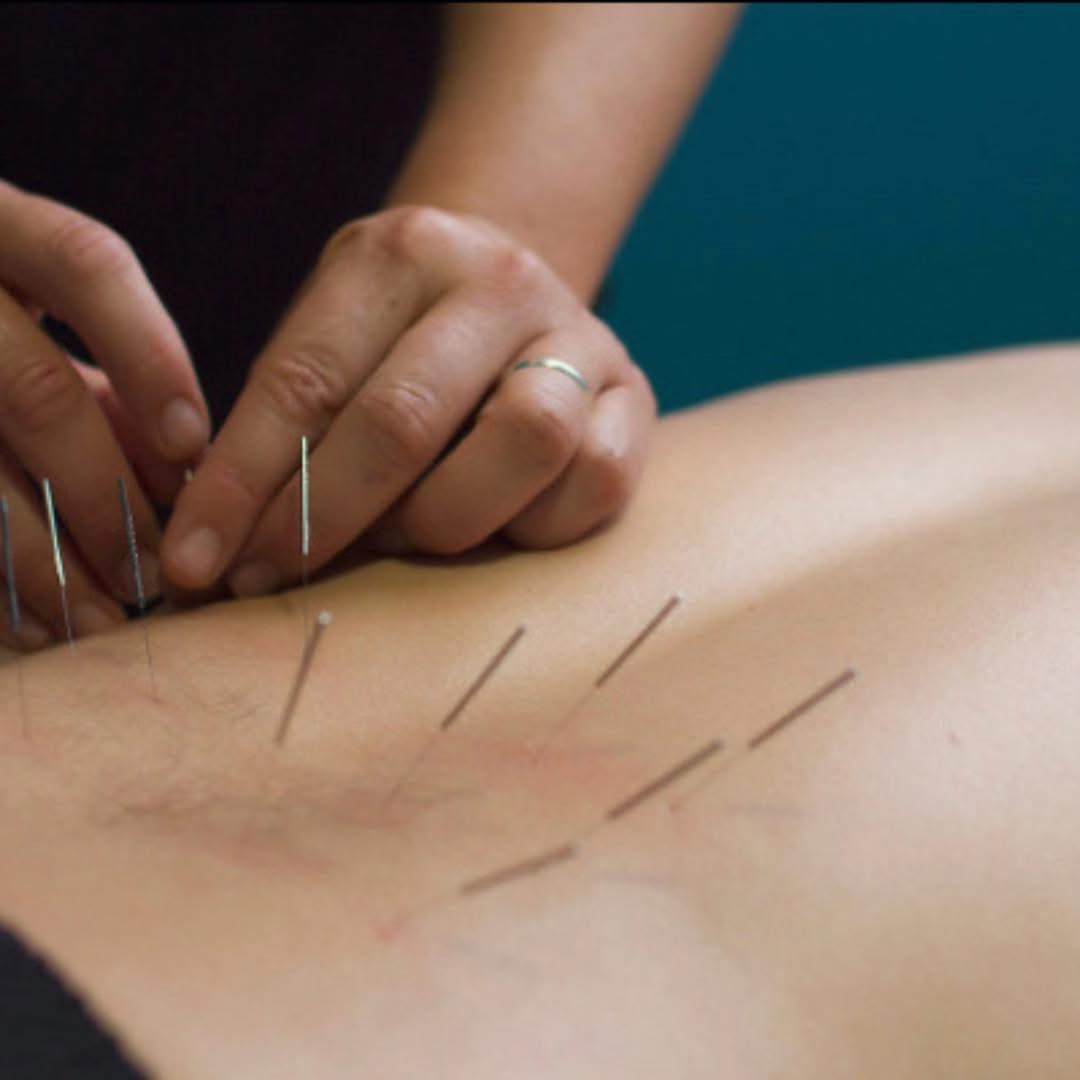
Fine sterile needles being placed into the lower back during dry needling

Dry Needling

Dry needling may be used as part of treatment for certain muscular and soft-tissue presentations. It involves inserting a fine sterile needle into selected areas of muscle tissue.

Where appropriate, it may be used alongside hands-on treatment, movement, strength work, rehabilitation and load management. It is not a stand-alone solution.

The decision to use dry needling is based on the assessment, not simply on where you feel pain.
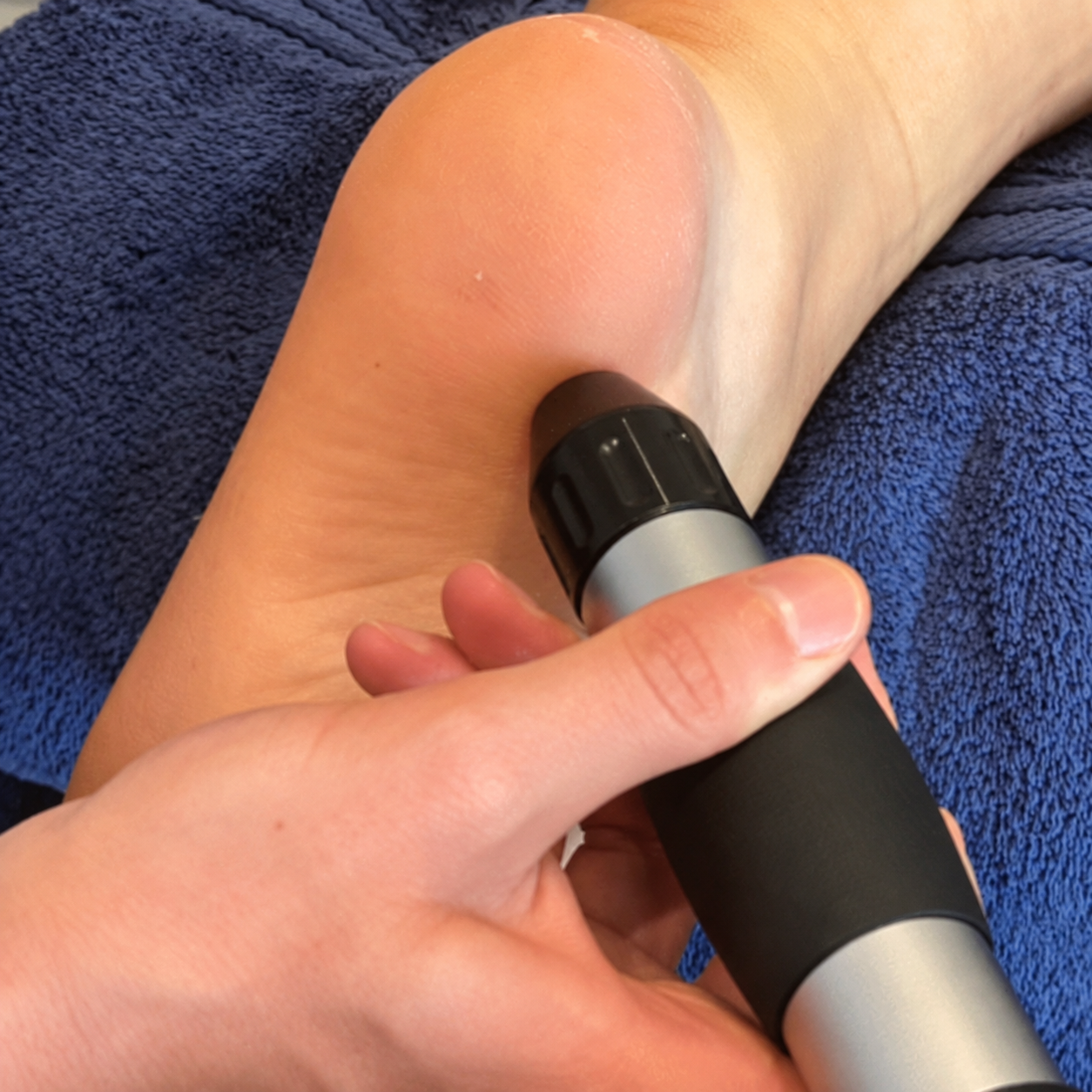
Radial shockwave therapy being applied to the heel and plantar arch with a handheld applicator

Radial Shockwave Therapy

Radial shockwave therapy uses mechanical pressure waves applied to a targeted area. It may be considered for certain persistent tendon and musculoskeletal problems.

Depending on the individual, this may include selected presentations involving the Achilles tendon, patellar tendon, plantar heel or other persistent tendon-related problems and appropriate musculoskeletal conditions.

It is one part of a broader plan, which may include progressive strengthening, tendon loading, changes to training load, rehabilitation and movement work.

Shockwave works best when it supports a clear rehabilitation plan, rather than replacing one.

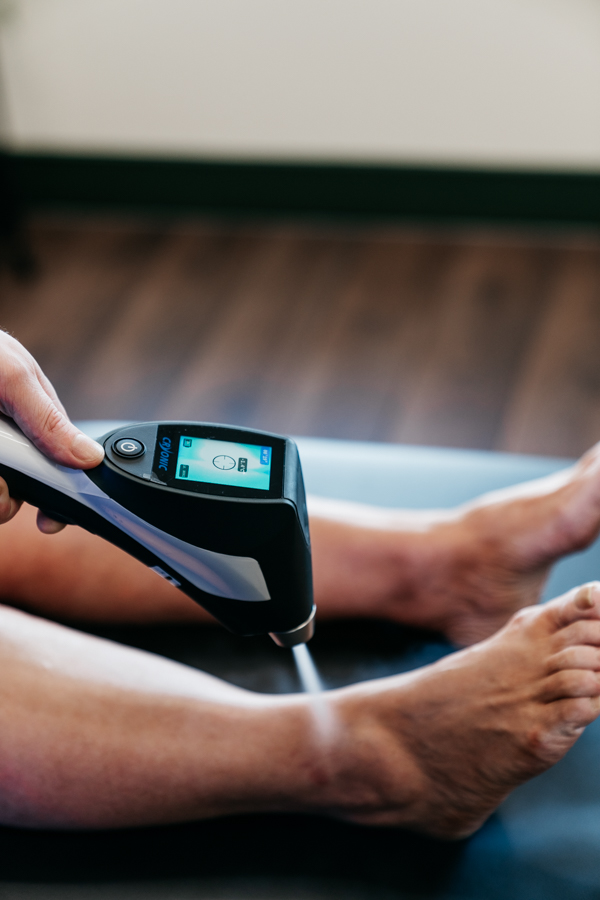
Localised CO₂ cryotherapy being applied to the ankle with a handheld device

Localised CO₂ Cryotherapy

Localised cryotherapy uses targeted cold applied directly to a specific area. Hugh uses the CryoScreen CO₂ system. This is different from whole-body cryotherapy.

It may be considered as part of the management of pain, irritated or reactive areas, post-training or post-competition recovery, and certain musculoskeletal or tendon presentations.

The treatment is short and targeted, with cold applied directly to the area being treated. It may be used on its own for recovery or as part of a wider treatment session depending on the situation.

Short, targeted treatment — selected to suit the situation.

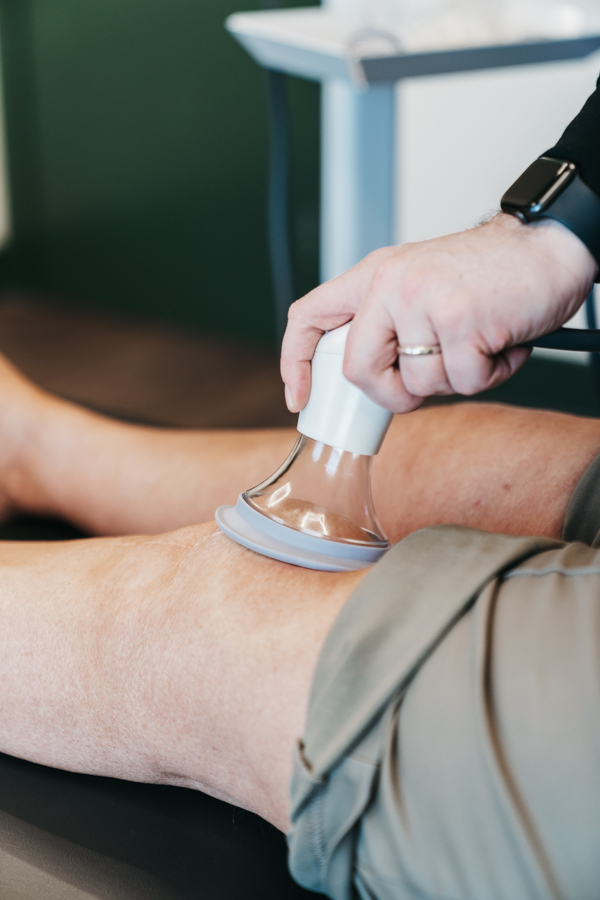
LymphaTouch negative-pressure treatment being applied above the knee

LymphaTouch

LymphaTouch is a negative-pressure therapy system used to support soft-tissue treatment and lymphatic movement.

Rather than applying pressure into the tissue, it uses gentle suction to lift the skin and superficial tissues.

Depending on the individual, it may be used to support treatment of:

  • Swelling
  • Soft-tissue restriction
  • Areas of fluid build-up
  • Post-injury recovery
  • Scar tissue
  • Muscular tightness
  • Restricted movement

It can be particularly useful when an area is sensitive, swollen or not suitable for more aggressive hands-on treatment.

LymphaTouch may be used alongside Neuromuscular Therapy, movement and rehabilitation as part of the wider treatment plan.

Like the other treatment options, it is used where appropriate rather than as a stand-alone solution.

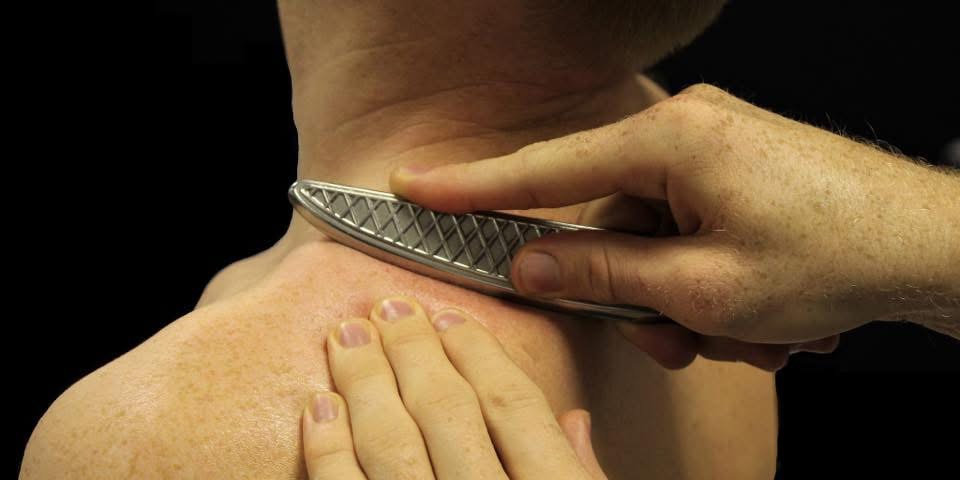
Instrument assisted soft tissue treatment using a specialised tool

IASTM

Instrument Assisted Soft Tissue Treatment

IASTM uses specially designed tools as part of hands-on soft-tissue treatment.

It may be used where appropriate to work with areas of soft-tissue restriction, support movement and complement other manual therapy techniques.

IASTM is simply another treatment tool and is used only where it is relevant to the individual.

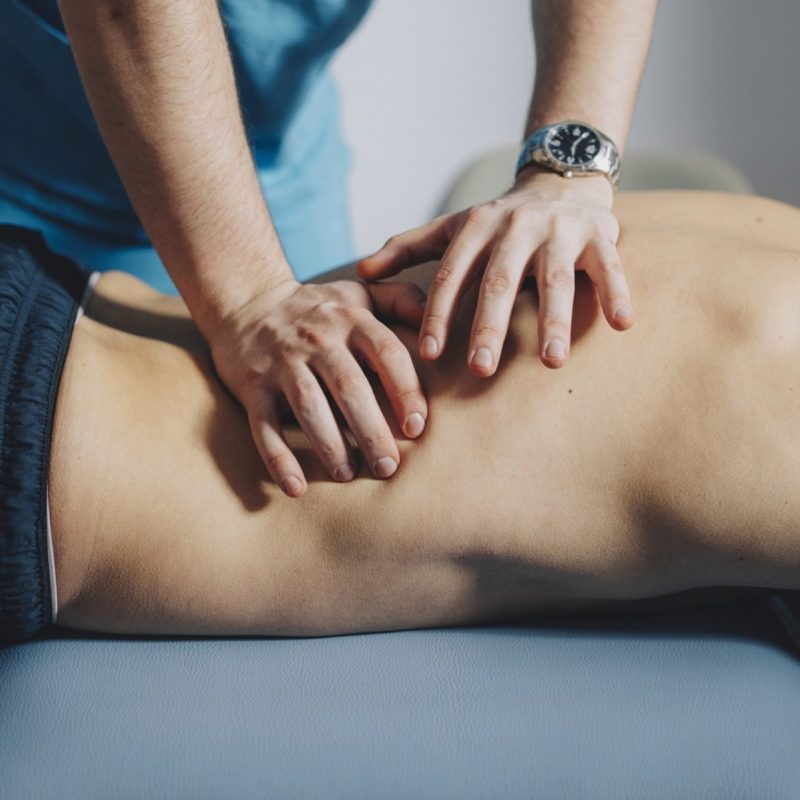
Hands-on joint mobilisation being applied to the mid and lower back

Joint Mobilisation

Joint mobilisation may be used when movement around a joint is limited or uncomfortable. This can form part of the wider assessment and treatment process.

It may be combined with Neuromuscular Therapy, movement, mobility work, rehabilitation and strengthening.

The focus is on supporting comfortable movement within the wider plan.

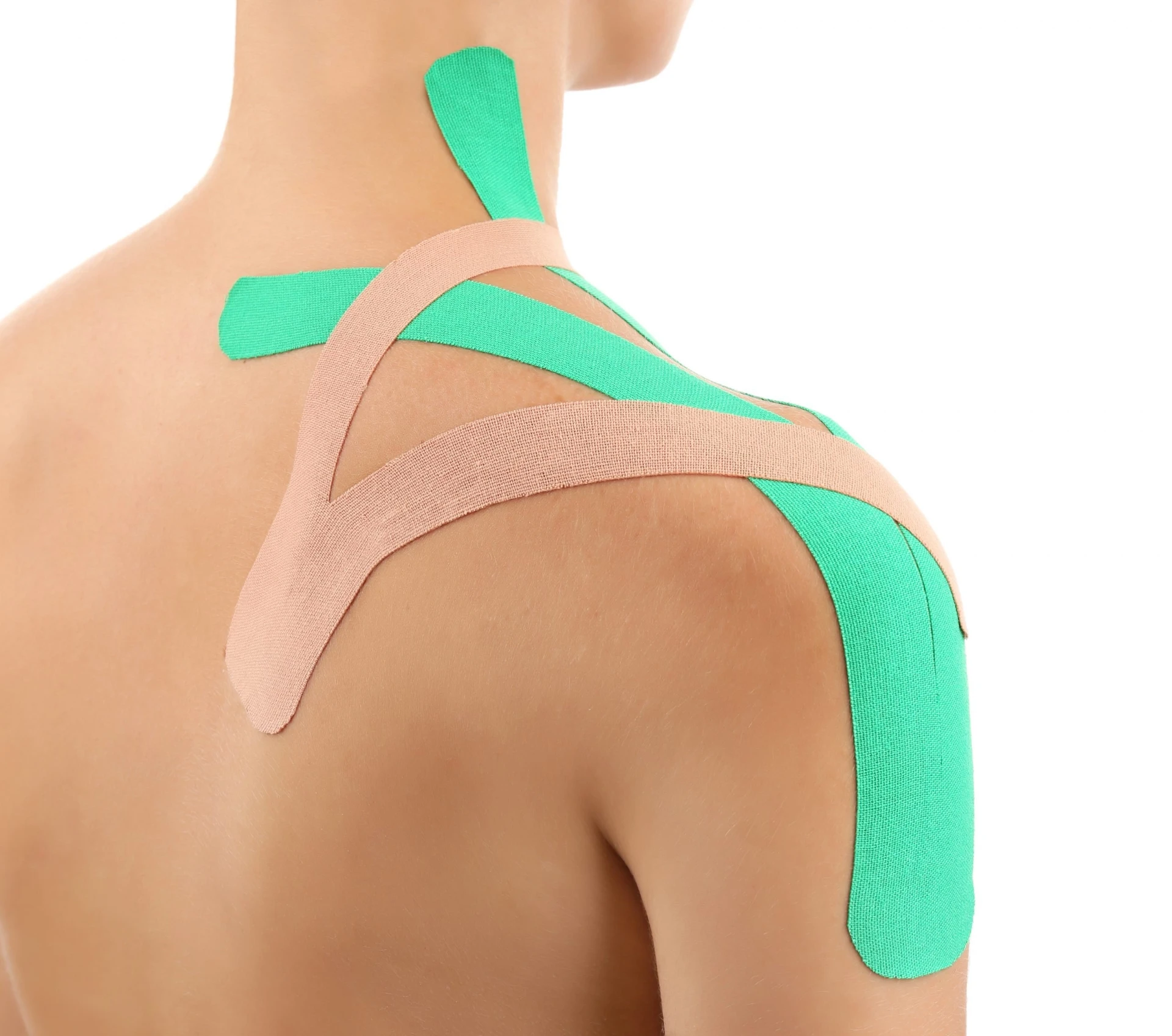
Kinesiology tape applied to support movement

Kinesiology Taping

Kinesiology taping may occasionally be used to support movement or help with short-term symptom management.

It is a temporary support strategy rather than a long-term solution.

Taping may help in the short term, but the bigger goal is always to improve how the body is functioning without relying on tape.

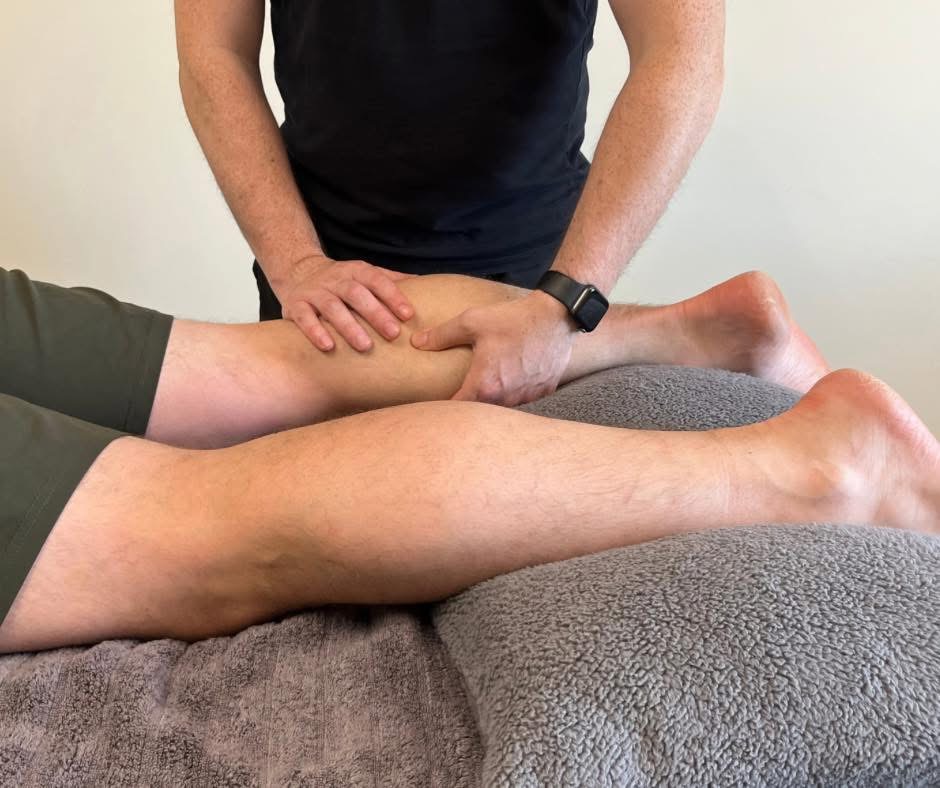
Hugh Carey applying hands-on treatment to the calf

Orthopaedic Sports Massage

Orthopaedic Sports Massage may form part of the hands-on treatment approach. It can be used to work with muscular tension, soft-tissue discomfort, recovery, movement restriction and areas of overload.

This sits within Hugh’s broader Neuromuscular Therapy approach, rather than being a stand-alone massage service. Treatment is guided by assessment and by how the wider body is functioning.

The aim is not simply to make an area feel looser for a few days. It is to understand why that area may be under repeated stress.

Hands-on treatment, guided by the whole picture.

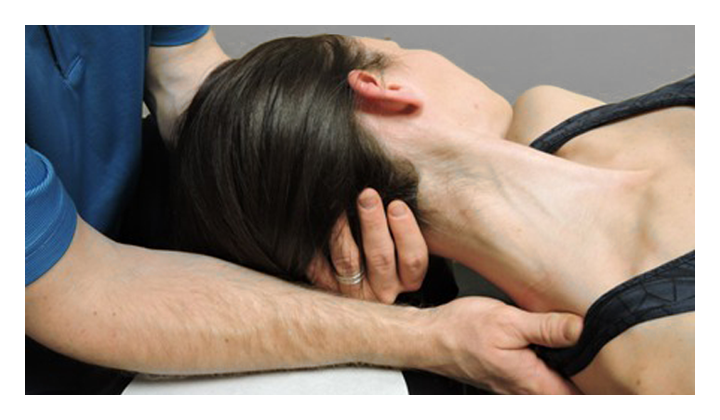
Hands-on fascial release to the neck and upper shoulder

Active Fascial Release

Active Fascial Release combines manual contact with movement. It may be used where appropriate to work with soft tissue while the client actively moves through a particular pattern.

This fits naturally within the whole-body approach because treatment is integrated with movement rather than performed entirely passively.

Treatment and movement working together.

The choice follows the assessment

You do not need to choose a treatment.

You do not need to decide whether you need dry needling, shockwave, cryotherapy or any other treatment before your appointment.

Start with an assessment. From there, we can decide together what is most appropriate.

For some people, hands-on treatment may be the priority. For others, movement, rehabilitation or changes to training may matter more. Often, the best approach is a combination.

The treatment should follow the assessment — not the other way around.

The Hugh Carey approach

The techniques may change.
The approach stays the same.

  1. 01

    Listen

  2. 02

    Assess the whole picture

  3. 03

    Identify what matters

  4. 04

    Choose the right tools

  5. 05

    Move, educate and progress

Not sure what you need?

You are not expected to diagnose yourself or choose your own treatment. Start with an assessment and we can work out what is most relevant to you.