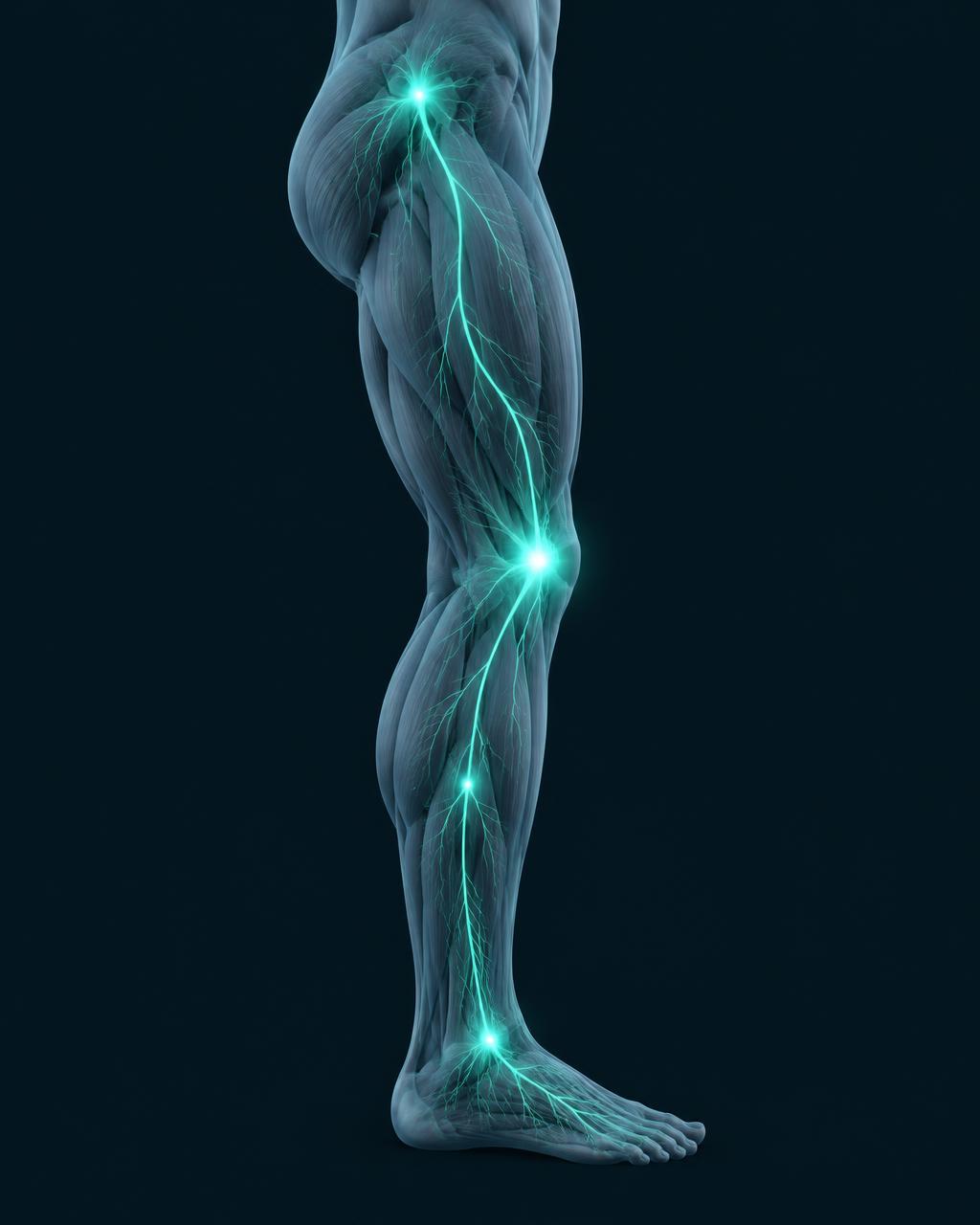
Knee
May also involve:
- Foot and ankle
- Calf
- Hip and pelvis
- Training load
Hugh Carey · Toome, County Antrim
Neuromuscular Therapy and whole-body assessment designed to understand more than just where it hurts.
Whether you are dealing with recurring pain, stiffness, an old injury or something that keeps returning, the aim is to understand the wider picture and build a clear plan forward.
A different perspective
Understand the problem.
Treat what matters.
Build long-term progress.
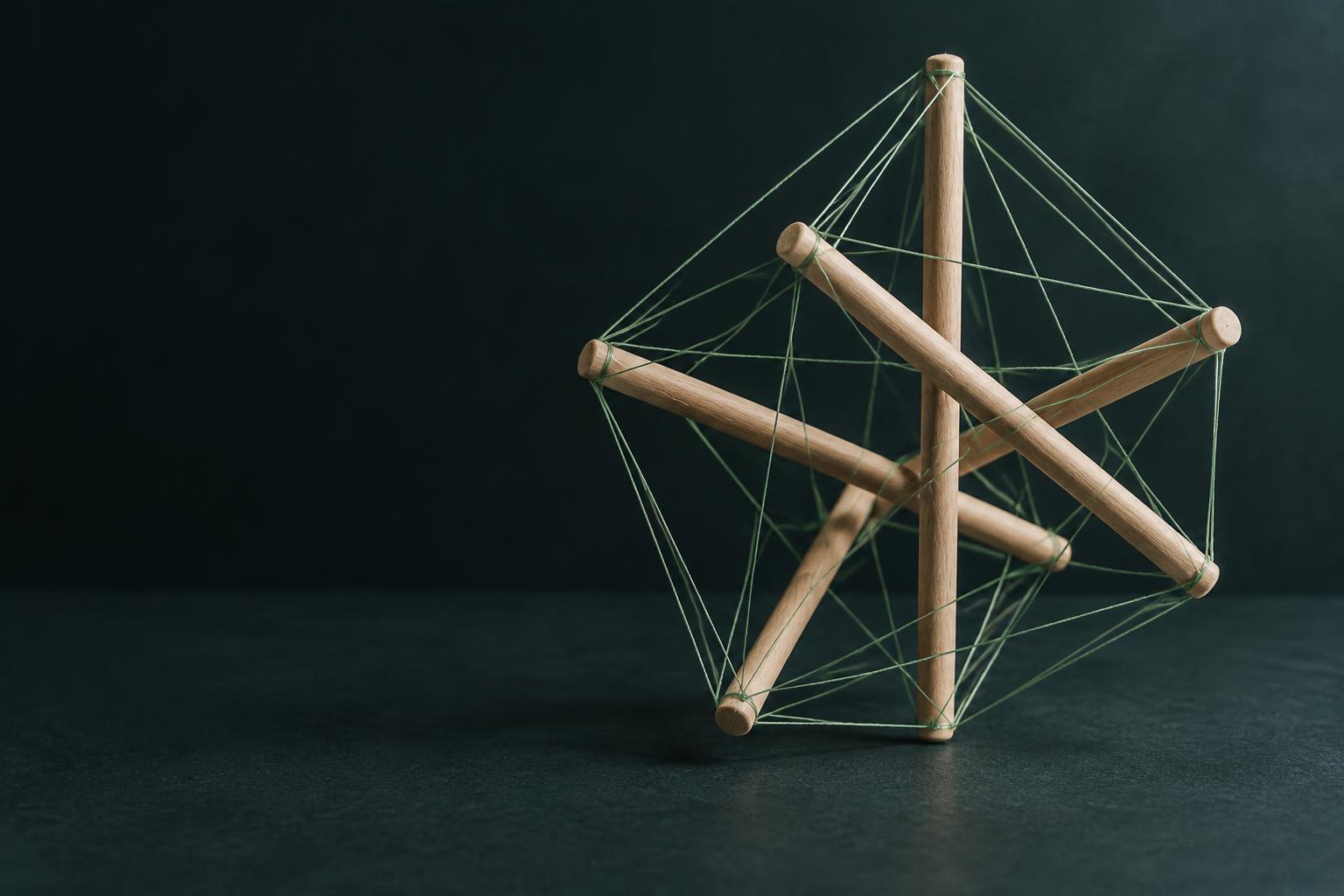
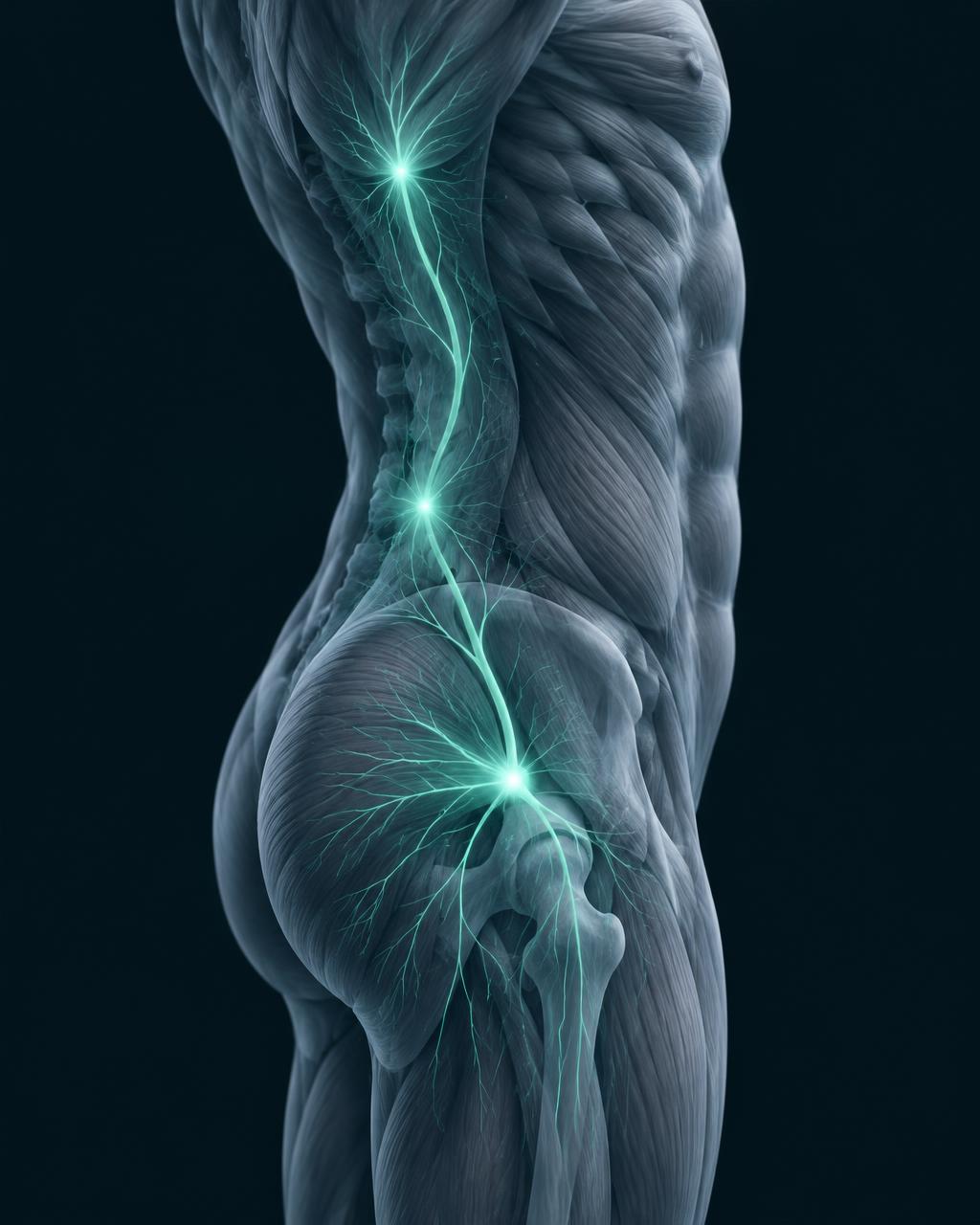
Pain is often experienced in one area, but the body does not function in isolated parts. Movement, strength, mobility, tissue tension, previous injury, work demands and training load can all influence how stress is distributed through the body.
That is why Hugh Carey takes a whole-body approach. Rather than simply treating where it hurts, the aim is to understand what may be contributing to the problem and what needs to change next.
Explore the whole-body approachThe bigger picture
Different areas. One connected body.
Here’s what a wider assessment might consider.
May also involve:
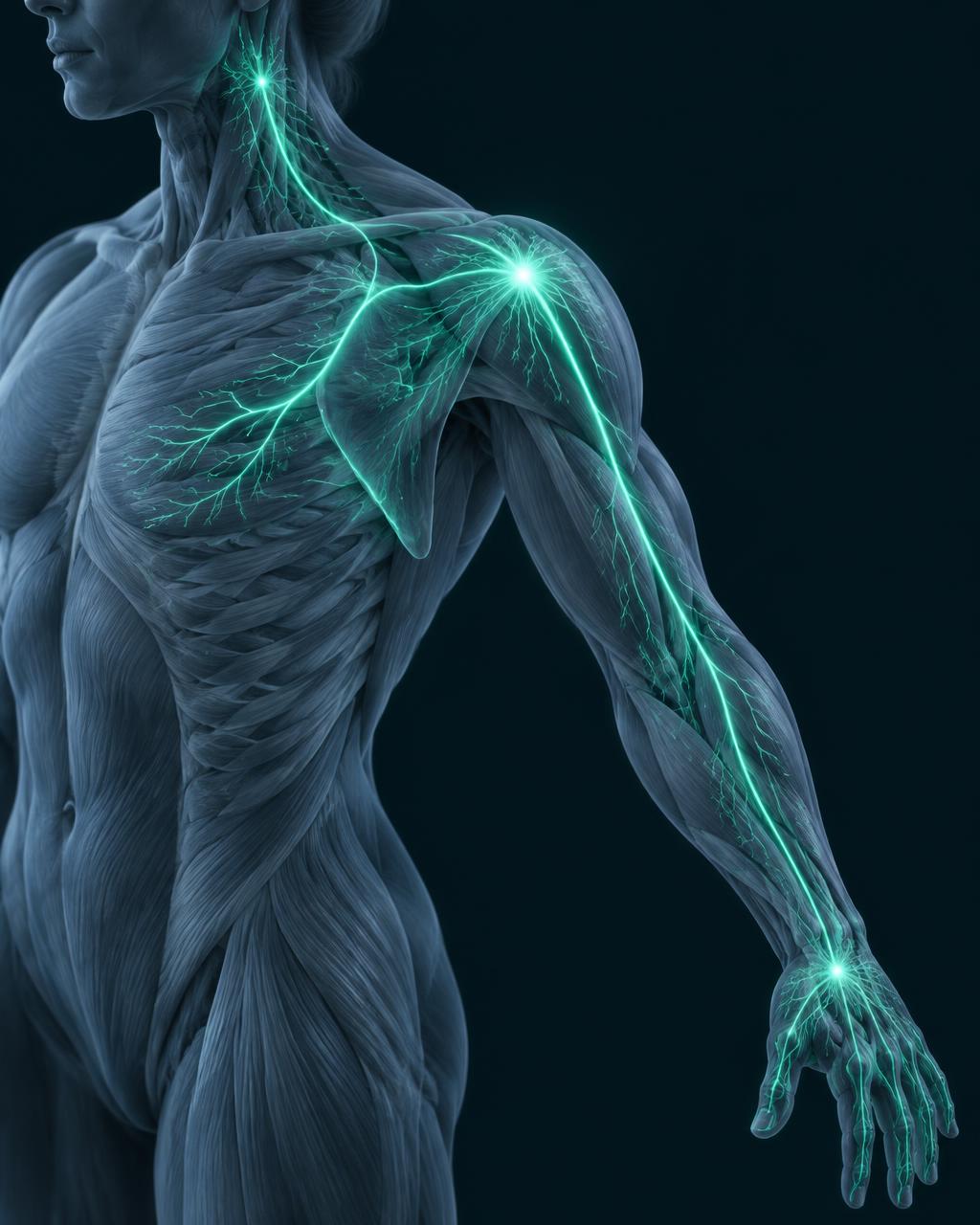
May also involve:
May also involve:
The aim is not to search for problems everywhere. It is to understand which factors are genuinely relevant to you.
A clear plan forward
Understand the problem, your history and what you want to get back to.
Look at the painful area and the wider kinetic chain.
Use hands-on Neuromuscular Therapy and other techniques where appropriate.
Understand what is happening and build practical movement strategies.
Track change, adapt the plan and build longer-term improvement.
Built around you
A partnership that helps you understand your body and move forward with confidence.
If a problem has developed over months or years, one isolated appointment may not tell the full story. By working together over time, we can better understand how your body responds, what keeps recurring and what helps you move forward.
The aim is not dependency. It is progress. Not everyone needs ongoing treatment — your plan should reflect your needs, response and goals.
The goal is not more appointments.
The goal is better progress.
Who I help
For pain, stiffness or tightness that keeps coming back.
For people who want to remain active, train and move well.
For people managing injury, training load or recurring physical issues.
For clients who want a more proactive approach to staying physically well.
The heart of the service
Neuromuscular Therapy looks at the relationship between muscles, the nervous system, soft tissue and movement. Treatment is guided by what is found during assessment.
Hands-on work may be combined with movement, rehabilitation and other treatment techniques depending on what you need.
These are tools within the process,
not the entire service.
Clarity, not complexity
You should leave an appointment knowing more than when you arrived. Why an area may be repeatedly overloaded. How work, training or previous injuries may be contributing. What you can continue doing, what might need modifying and what progress should look like.
The aim is not to make the body sound complicated. The aim is to make your situation easier to understand.
Your next step
You do not need to know which treatment or technique may help. Start with an assessment. Together, we can work out what matters and what should happen next.